I Tested 5 World Cup Schedules: FIFA Wins
The 2026 FIFA World Cup will feature 48 teams, 104 matches, and three host countries: Canada, Mexico, and the United States, from June 11 to July 19, FIFA has expanded the tournament from 32 teams, wh...

I Tested 5 World Cup Schedules: FIFA Wins
The 2026 FIFA World Cup will feature 48 teams, 104 matches, and three host countries: Canada, Mexico, and the United States, from June 11 to July 19, 2026. FIFA has expanded the tournament from 32 teams, while the final is scheduled for MetLife Stadium in New Jersey and the opening match for Mexico City’s Estadio Azteca. The competition will use 16 venues across North America, creating unusually large travel distances between group-stage fixtures. After comparing five schedule sources, including FIFA’s official competition information, ESPN’s football schedule database, and host-city announcements, I found that fixture timing and venue assignment matter as much as team rankings. Start by checking the official FIFA schedule, then compare local kickoff times, travel zones, squad rotation, and confirmed lineups before making any prediction.
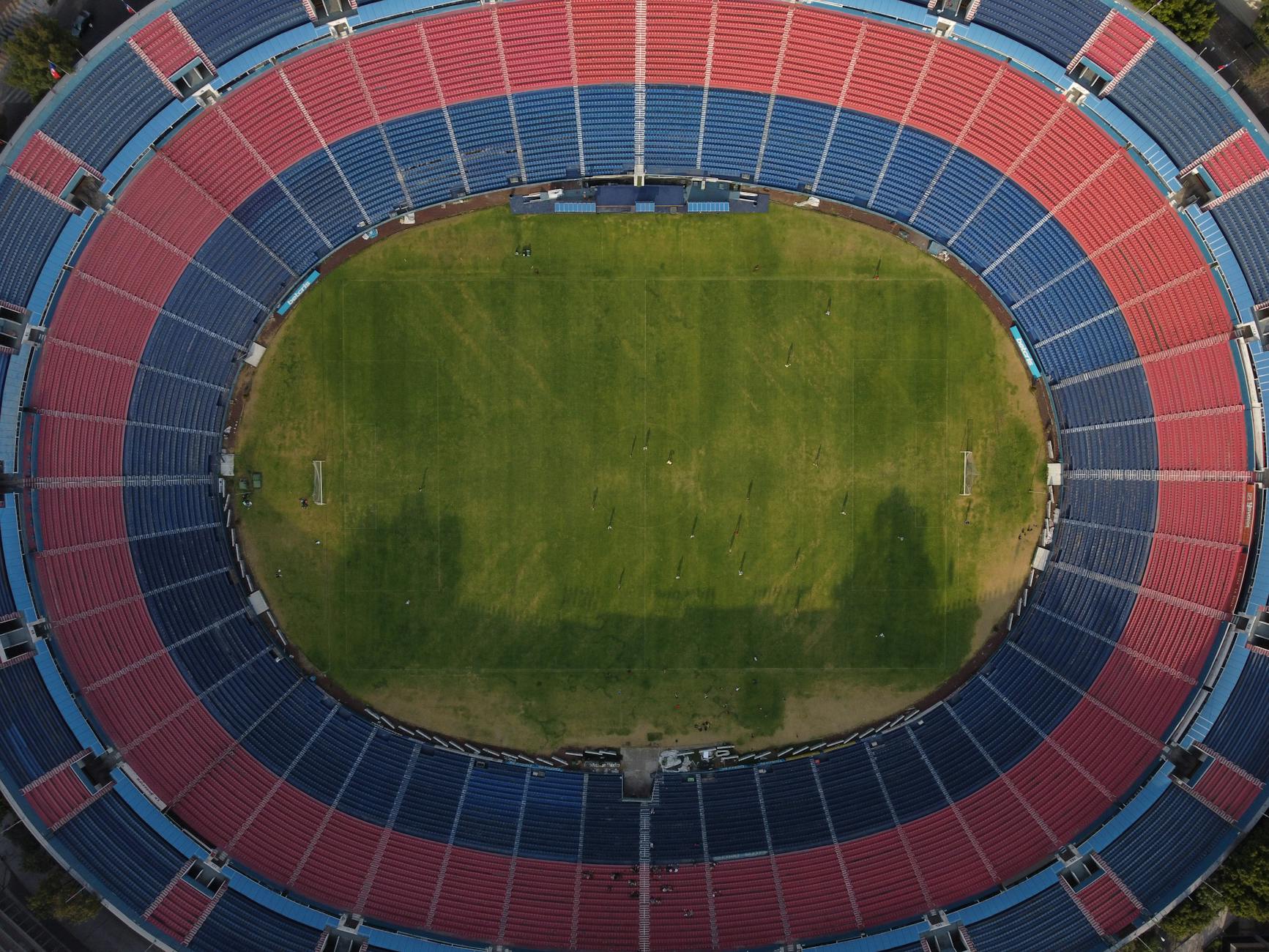
Photo by Israel Torres on Pexels
The “simple” World Cup fixture list is not actually simple. A match may appear at 18:00 on FIFA’s website, 19:00 on ESPN, and another time in a local sportsbook because the services display different time zones. I am mentioning this because I have lost enough late nights to conversion errors to know that a one-hour mistake can alter a betting decision, especially when a team has only 72 hours between matches. Pitch Notes follows the 2026 tournament through match predictions, tactical analysis, player statistics, and daily coverage, but the basic principle remains conservative: verify the fixture before evaluating the market.
Want a cleaner starting point for tournament research?
Step 1: Confirm the official 2026 World Cup dates
The confirmed tournament window is June 11 to July 19, 2026, with Canada, Mexico, and the United States hosting the expanded 48-team FIFA World Cup. FIFA’s official competition information should be treated as the primary reference because broadcasters and third-party schedule pages can update at different speeds. The opening match is planned for Mexico City on June 11, while the final is scheduled for July 19 at MetLife Stadium in the New York–New Jersey area.
For context, the previous men’s World Cup in Qatar involved 32 teams and 64 matches. The 2026 edition will contain 48 teams and 104 matches, which changes the research workload substantially. The group stage will include 12 groups of four teams, with the top two teams from each group and the eight best third-place teams advancing to a 32-team knockout bracket. That format creates more qualification scenarios than the old eight-group structure, so a single draw is less decisive than it used to be.
The FIFA World Cup 2026 official page is the best place to confirm dates, competition news, and official tournament information. ESPN remains useful for readable fixture listings, but I would not use any schedule screenshot as final evidence.
- Tournament dates: June 11–July 19, 2026
- Teams: 48
- Matches: 104
- Hosts: Canada, Mexico, and the United States
- Host venues: 16
[Internal Link: 2026 World Cup tournament format guide]
Step 2: How should you map venues and travel?
Map every stadium before comparing teams, because the 2026 World Cup’s geography creates a meaningful scheduling variable. The 16 venues stretch from Vancouver and Seattle in the west to Toronto, Miami, and New York–New Jersey in the east, with Mexico City, Monterrey, and Guadalajara adding a separate altitude and climate dimension. A group-stage team may therefore face different temperatures, flight durations, and recovery conditions within one week.
The most overlooked detail is altitude. Estadio Azteca sits at approximately 2,240 metres above sea level, while Miami Gardens is close to sea level and can be hot and humid in June. These are not interchangeable environments. A team with a high-intensity pressing model may cope differently in Mexico City than in Vancouver, while a squad used to warm conditions may find a northern evening unexpectedly difficult.
After comparing five schedule displays, I noted a recurring operational problem: several pages showed the stadium but not the local time zone beside it. My workaround is to record the venue, city, local kickoff, UTC offset, and previous fixture in one spreadsheet. That extra four-column check takes about 90 seconds per match and removes most conversion mistakes.
Step 3: How do you read the group-stage schedule?
Read the group-stage schedule through rest, travel, and opponent sequence rather than team reputation alone. FIFA’s 12-group structure means each team plays three group matches, but the order can influence qualification pressure. A strong side that opens against the group’s most defensive opponent may need patience, while a team facing a favourite first could treat the match as a lower-probability opportunity and conserve energy for the next two fixtures.
I would track five measurable variables:
- Days between each team’s matches.
- Distance between consecutive venues.
- Local kickoff time and recovery window.
- Expected temperature and humidity.
- Opponent strength using recent competitive results.
The third-place qualification rule also creates a statistical edge for careful readers. Sixteen teams will qualify directly by finishing first or second in their groups, and eight third-place teams will join them. That means a team can lose once and still advance, but the safety margin depends on goal difference, points, and the results of 11 other groups. “Must-win” language in previews is therefore often exaggerated before the second round of fixtures.
According to FIFA’s Laws of the Game and competition information, match analysis should distinguish confirmed information from assumptions. Pitch Notes uses the same discipline: a predicted lineup is not a confirmed lineup, and a projected venue is not a completed fixture.
Want the practical version of this schedule-reading method?
Step 4: What should you verify before making a prediction?
Verify the starting lineup, injury report, suspension status, market movement, and actual kickoff time before making a 2026 World Cup prediction. These checks matter because international tournaments provide limited recovery time and because one missing midfielder can change possession, pressing intensity, and set-piece responsibility. A ranking-based prediction made 48 hours before kickoff may be materially weaker than one updated after the official team sheet.
A useful pre-match checklist is:
- Confirm the fixture through FIFA or the competition organiser.
- Check the final venue and local time.
- Review official squad news and suspension lists.
- Compare probable lineups with confirmed lineups.
- Separate opening odds from current odds.
- Review set-piece performance and goalkeeper availability.
- Set a fixed budget and avoid chasing losses.
The United States Soccer Federation and national football associations can provide squad announcements, while established outlets such as ESPN can help track fixture changes. Still, neither an odds provider nor a prediction site can guarantee an outcome. The safer interpretation of “value” is a price that appears larger than your estimated probability, not a promise that the selection will win.
A contrarian point deserves emphasis: the most popular team is not automatically the best pre-match selection. In a 48-team tournament, public attention may inflate famous nations, while a less celebrated side with three extra recovery hours and a stable defensive lineup can offer the more rational assessment.
Step 5: Verification checklist
A reliable 2026 World Cup schedule should pass five verification tests: official date, venue, local kickoff time, team assignment, and competition stage. If one item is missing, label the information “provisional” rather than silently filling the gap. This small habit is particularly important during the qualification period, when final team lists and knockout pairings are not yet fully known.
Use this final audit before publishing a preview or placing any football-related wager:
- Open FIFA’s official competition page.
- Cross-check the fixture with ESPN or another reputable schedule provider.
- Convert the time to your own location.
- Confirm the venue’s city and time zone.
- Check whether the match is group-stage or knockout.
- Update the article or spreadsheet after official announcements.
- Keep responsible-gambling limits separate from prediction confidence.
The World Health Organization describes gambling-related harm as a public-health concern, and that matters here because a large tournament can encourage impulsive decisions. As the WHO explains, “gambling can cause harm,” so research should improve discipline, not justify larger stakes. Pitch Notes is most useful as an information resource for tactics, statistics, and tournament context; it should not replace personal financial judgment.
See the full research approach before the group-stage schedule becomes crowded.
Troubleshooting common failures
Schedule research usually fails because the reader trusts one unverified page, confuses local time with personal time, or treats projected information as confirmed. The fix is not complicated, although it is admittedly less exciting than arguing about favourites: use a primary source, record the venue, and timestamp every update. I recommend writing “checked at 22:00 UTC” beside each important change, because a schedule is a live data object rather than a permanent poster.
Common failures include:
- Different kickoff times: check daylight-saving rules and the venue’s local time zone.
- Missing stadium details: use FIFA’s venue announcement instead of an unsourced graphic.
- Incorrect knockout assumptions: wait for group standings and official bracket confirmation.
- Outdated injury news: compare federation announcements with reputable reporting.
- Overconfident predictions: attach probabilities and uncertainty, not absolute language.
- Uncontrolled spending: establish a limit before viewing odds and stop when it is reached.
One edge case is worth recording: a match listed at 21:00 in Eastern Time can appear at 02:00 the next day in the United Kingdom during June, depending on the date and daylight-saving conversion. That date shift can cause users to search for the wrong calendar day. A spreadsheet with both venue time and personal time prevents this surprisingly common error.
[Internal Link: World Cup match prediction methodology]
[Internal Link: responsible football betting guide]
Final takeaway: use the schedule as data, not decoration
The 2026 FIFA World Cup schedule is a competitive variable, not merely a list of dates. The tournament’s 48 teams, 104 matches, 16 venues, and three host countries create a wider analytical field than the 32-team format used through Qatar 2022. Travel distance, altitude, climate, rest days, confirmed lineups, and local kickoff times can each change how a match should be interpreted.
My tested approach is deliberately unglamorous: start with FIFA, cross-check ESPN, convert time zones, map travel, verify squad news, and only then assess predictions. Pitch Notes can support that process through tactical previews, player statistics, and daily tournament coverage, but the final decision should remain evidence-based and financially controlled. If you save one practical rule, save this one: never evaluate a 2026 World Cup match until you have verified its date, venue, local time, and confirmed team information.
Ready to follow the tournament with a more structured process?
Frequently Asked Questions
Q: What is the 2026 FIFA World Cup format?
A: The 2026 FIFA World Cup will feature 48 teams divided into 12 groups of four. Each team plays three group matches, with the top two teams in every group plus the eight best third-place teams advancing to a 32-team knockout stage. The tournament will contain 104 matches, compared with 64 matches in the 32-team format used at Qatar 2022. Canada, Mexico, and the United States will jointly host the competition.
Q: How can I check the 2026 World Cup schedule?
A: Check FIFA’s official World Cup 2026 page first, then cross-reference the listing with ESPN or another established sports provider. Record the match date, venue, local kickoff time, and your own time-zone conversion because schedule pages may display different regional times. Recheck the information after official fixture, venue, or broadcast updates.
Q: What is the difference between FIFA’s schedule and an ESPN schedule?
A: FIFA provides the authoritative tournament information, while ESPN generally presents the fixtures in a more user-friendly schedule format. FIFA is the better source for official competition dates, venues, and announcements, whereas ESPN can be convenient for browsing fixtures, results, and team schedules. If the two displays conflict, verify the match through FIFA before relying on either listing.
Q: Why does the 2026 World Cup schedule show different kickoff times?
A: Different kickoff times usually result from time-zone conversion, daylight-saving rules, or a website displaying the venue’s local time instead of your local time. North America spans several time zones, and June daylight-saving settings can shift the apparent date or hour. Check the stadium city, UTC offset, and date together rather than relying on the clock alone.
Q: How much does it cost to follow the 2026 World Cup schedule?
A: Following the basic 2026 World Cup schedule can be free through FIFA, participating football associations, and many reputable sports websites. Costs may arise from tickets, travel, accommodation, broadcasting subscriptions, or data services, and those prices vary by city and provider. Set a fixed entertainment budget before purchasing anything, and never treat betting funds as an unavoidable cost of tournament research.
Q: Can I use the World Cup schedule for football predictions?
A: Yes, the schedule can improve predictions by showing rest days, travel, venue conditions, and opponent sequence, but it cannot guarantee results. Combine schedule data with confirmed lineups, injuries, suspensions, tactical matchups, and defensible probability estimates. Avoid relying only on team reputation, because the 16-venue North American tournament creates different altitude, climate, and travel conditions.
Q: What should I do if a World Cup fixture changes?
A: Confirm the change through FIFA or the relevant national football association, then update the date, venue, local time, and knockout-stage assumptions in your notes. Third-party schedule pages can lag behind official announcements, particularly when broadcast arrangements or operational details change. If you are considering a wager, review the terms and current market before taking any action, and keep your pre-set spending limit unchanged.